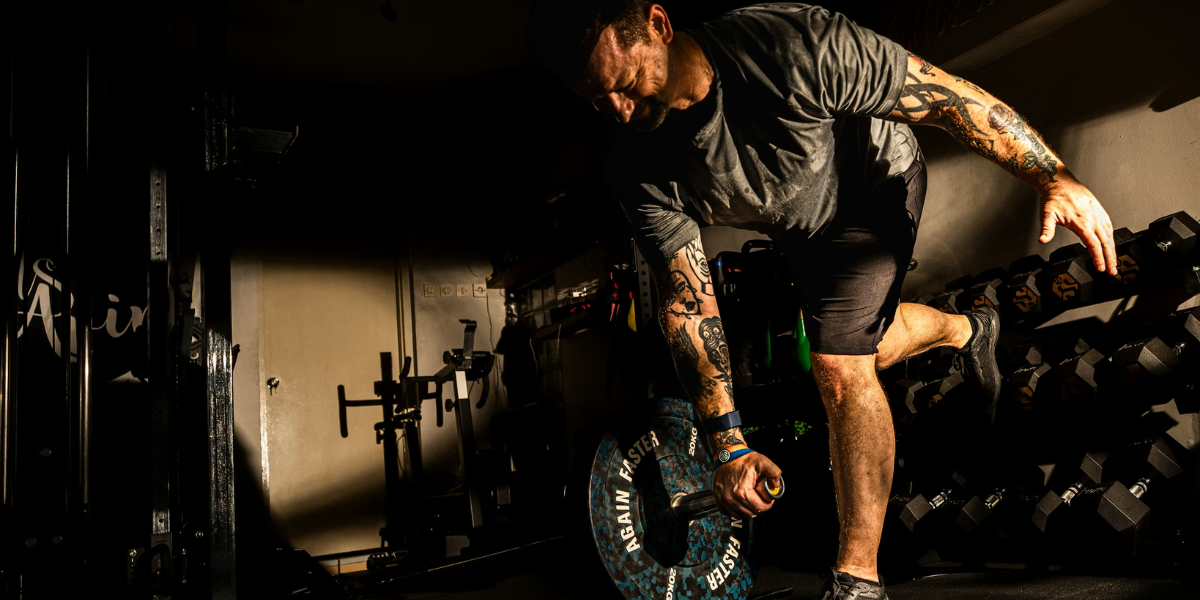
On April 11, 2026, new industry data and product rollouts highlighted a growing shift in how American consumers approach health, sports, and everyday performance. Across the United States, fitness brands, sports companies, and major retailers are reporting increased demand for hybrid fitness gear, wearable technology, and multifunctional sports equipment, signaling a broader evolution in men’s lifestyle habits.
Recent industry findings show that participation in fitness activities such as strength training, running, and recreational sports has remained consistently high into 2026. Analysts note that men between the ages of 18 and 45 are driving much of this demand, particularly as they seek flexible ways to stay active while balancing work and personal commitments. This sustained interest has influenced both product innovation and retail strategies nationwide.
One of the most notable developments is the rapid expansion of “hybrid gear”, products designed for both performance and everyday use. Major sportswear brands have recently introduced training apparel that doubles as casual wear, along with footwear engineered for both gym sessions and urban environments. This category has seen strong growth, with consumers prioritizing versatility, durability, and comfort.
In parallel, smart fitness technology continues to reshape how men track and improve their performance. New wearable devices launched in early 2026 offer more advanced biometric tracking, including heart rate variability, sleep recovery insights, and hydration monitoring. These features are becoming standard rather than premium, reflecting increased consumer expectations for data-driven fitness solutions.
Experts emphasize that this trend goes beyond convenience. Wearables now play a role in injury prevention and long-term health monitoring. Recovery-focused metrics allow users to adjust workout intensity based on real-time data, helping reduce the risk of overtraining. As a result, sports and fitness are becoming more personalized, with individuals tailoring routines based on measurable insights rather than general guidelines.
Retailers are also adapting to these changes by reshaping the shopping experience. Sporting goods stores and online platforms are expanding curated sections dedicated to recovery tools, such as massage devices, compression gear, and mobility equipment. Sales of recovery-focused products have grown significantly, driven by increased awareness of post-workout care and overall wellness.
E-commerce platforms have further accelerated this trend by offering bundled fitness solutions. Consumers can now purchase complete “performance kits” that include apparel, wearable devices, and recovery tools in a single package. This approach simplifies decision-making for buyers while encouraging long-term engagement with fitness routines.
Sports participation is also contributing to the surge in gear demand. Recreational leagues, particularly in basketball, soccer, and running clubs, are experiencing renewed growth across major U.S. cities. Community-based sports are rebounding strongly, with more individuals seeking social and competitive outlets as routines stabilize and outdoor activities remain popular.
This resurgence has had a direct impact on equipment sales. Lightweight training gear, portable workout tools, and compact home gym systems are becoming increasingly popular among men who prefer flexible training environments. These products allow users to maintain consistent routines whether at home, outdoors, or while traveling.
Another key factor shaping the market is the influence of lifestyle content and digital communities. Fitness influencers, professional athletes, and trainers continue to share product recommendations and workout strategies across platforms, driving consumer awareness and purchasing decisions. Social-driven commerce remains a major force in the fitness and sports industry, particularly among younger male audiences.
Importantly, the emphasis on health is extending beyond physical performance to overall well-being. Nutrition, sleep quality, and stress management are now part of the broader fitness conversation. Many of the latest products and services integrate these elements, offering a more holistic approach to health. Some wearable devices now provide daily readiness scores that combine sleep data, activity levels, and recovery metrics.
For consumers, the key takeaway is the importance of choosing gear and tools that align with their specific goals. Focusing on quality, functionality, and long-term usability can help maintain consistency, which remains the most critical factor in achieving fitness results.
As of April 2026, the intersection of health, sports, and shopping reflects a clear shift toward smarter, more efficient lifestyles. Men are no longer just buying products, they are building systems that support performance, recovery, and overall well-being. With continued innovation and strong consumer demand, the fitness and sports gear market is expected to remain a central part of modern lifestyle culture in the United States.