Charlotte, North Carolina, took center stage in American winter athletics on March 1, 2026, as the 2026 United States Men’s and Women’s Curling Championships concluded with high-stakes finals that determined this year’s national champions. After a week of intense round-robin battles and playoff matchups, the nation’s top curling teams delivered decisive performances that will now send them on to represent the United States at upcoming international competitions.
Held at Bojangles Coliseum, the championships began on February 23 and brought together elite rinks from across the country. Teams qualified through regional and national ranking events, earning the opportunity to compete for one of the sport’s most prestigious domestic titles. Over seven days, athletes demonstrated the precision, endurance, and strategy that define competitive curling at the highest level.
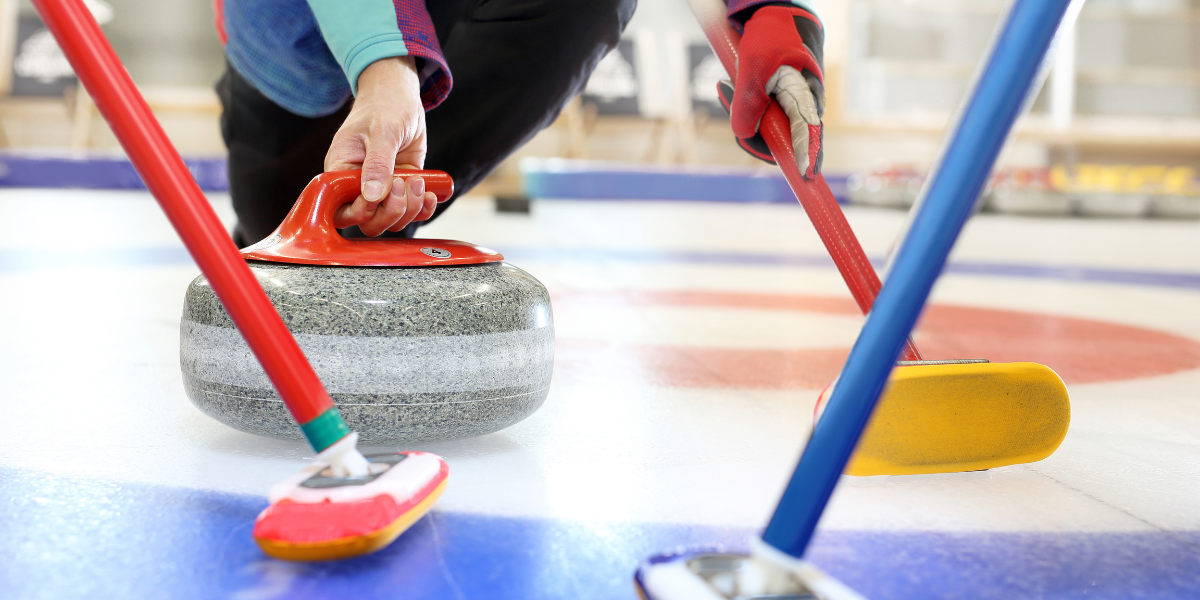
For many sports fans, curling may appear understated compared to high-contact or high-speed competitions, but the athletic demands are significant. Players repeatedly deliver 40-pound granite stones down a sheet of ice, carefully controlling weight, rotation, and angle. Teammates sweep vigorously to manage friction and influence the stone’s final placement. Each match requires sustained focus, tactical decision-making, and strong communication, particularly from the skip, who calls strategy and directs every shot.
The championship format featured round-robin play, where each team competed against all others in its division. Standings from these matches determined playoff seeding, intensifying every end, curling’s equivalent of an inning, throughout the week. By the time Sunday’s finals arrived, only the most consistent and disciplined teams remained.
In the men’s championship, competitors showcased aggressive shot-making and defensive precision. Close scoring margins characterized several playoff matches, reflecting the depth of talent across U.S. curling programs. The final itself highlighted textbook strategy: careful guard placement, well-timed takeouts, and disciplined hammer management, the critical advantage of throwing the final stone in an end. The victorious rink displayed composure under pressure, capitalizing on small openings that ultimately secured the national title.
The women’s championship mirrored that intensity. The semifinal match earlier in the day tested endurance and adaptability, as teams adjusted to subtle ice conditions and shifting momentum. By the 4 p.m. final, both remaining teams had demonstrated elite-level execution. Strategic freezes, draw weight control, and clutch final stones defined the matchup. The champions emerged after a tightly contested battle that underscored the growing competitiveness of women’s curling in the United States.
Winning a national championship carries significance beyond domestic recognition. Both the men’s and women’s champions now earn the right to represent Team USA at the 2026 World Curling Championships. International competition offers not only global visibility but also valuable ranking points and experience against the world’s top programs. Strong performances abroad contribute to Olympic qualification pathways and help raise the profile of American curling on a broader stage.
The sport has experienced steady growth nationwide over the past decade. Curling clubs have expanded beyond traditional northern strongholds, with increased participation in regions not typically associated with winter sports. Facilities in states like North Carolina demonstrate that interest in curling now stretches well beyond the Upper Midwest. The Charlotte-hosted championship reflects that evolution, signaling how infrastructure investment and grassroots programs are broadening the sport’s footprint.
For athletes, the road to a national title demands year-round preparation. Teams train extensively on technical delivery, sweeping fitness, and communication drills. Strength and conditioning programs focus on balance, flexibility, and lower-body power, while mental preparation emphasizes shot visualization and situational awareness. At this level, championships are often decided by inches, or fractions of inches, making consistency and composure essential traits.
For fans, the 2026 championships offered an accessible entry point into a sport that blends physical execution with chess-like strategy. Every end presents layered decisions: whether to play aggressively for multiple points, set up defensive guards, or force opponents into difficult angles. That combination of athletic skill and strategic depth continues to attract viewers who appreciate nuance and competitive discipline.
As the newly crowned champions prepare for international competition, March 1 marks both a culmination and a beginning. The national stage has identified America’s top teams for 2026, but the global arena now awaits. Their performance in the months ahead will shape perceptions of U.S. curling and influence the next generation of athletes entering the sport.
For now, the spotlight remains on Charlotte’s championship weekend, a defining moment in the American curling calendar that celebrated precision, teamwork, and the continued rise of a sport steadily carving out its place in the nation’s athletic landscape.