A major lifestyle and fitness trend gaining momentum across the United States this April is the continued surge in recreational running, race participation, and demand for performance gear. From city marathons to local 5K events, Americans are showing renewed interest in endurance sports, outdoor fitness, and wellness-focused lifestyles. The trend is influencing everything from shoe sales and wearable technology to gym programming and nutrition habits, making it one of the most relevant current developments in fitness and everyday health.
Running participation has grown steadily in recent years, supported by lower barriers to entry, social fitness communities, and increased awareness of cardiovascular health. Industry observers note that road races, half marathons, and charity runs are seeing strong registration numbers in many major U.S. cities this spring. Seasonal weather and longer daylight hours have also helped bring more people outdoors for training and weekend events. Recreational running appeals to a wide audience because it requires minimal equipment while delivering measurable fitness benefits.
Health experts consistently recommend regular aerobic activity such as brisk walking, jogging, or running to support heart health, weight management, improved mood, and reduced risk of chronic disease. Many adults use running as an efficient way to meet weekly exercise guidelines while building endurance and discipline.
The boom in participation is also fueling strong consumer demand for gear. Specialty retailers and major sporting goods chains continue to see interest in running shoes designed for cushioning, stability, and speed. Performance apparel, moisture-wicking shirts, compression socks, and lightweight outerwear are also seeing seasonal demand as more consumers refresh training wardrobes. The popularity of athleisure has further blurred the line between workout clothing and casual everyday style, making fitness apparel a staple beyond the gym.
Wearable technology remains another major driver of the trend. Smartwatches and fitness trackers capable of measuring pace, heart rate, sleep, and recovery metrics are increasingly common among runners of all levels. These devices have helped turn training data into an everyday habit, allowing users to track progress and set weekly goals. This combination of fitness and technology continues to resonate strongly with consumers seeking accountability and measurable results.
Gyms and training studios are adapting as well. Many facilities now offer treadmill interval classes, mobility sessions, and strength programs designed to complement running. Coaches often emphasize that balanced training reduces injury risk and improves long-term performance. Strengthening the hips, core, and posterior chain can be especially valuable for runners managing repetitive impact and mileage increases. Recovery-focused services such as stretching classes and massage tools have also become more common.
Nutrition habits tied to endurance training are another area of growth. Increased interest in protein intake, hydration products, and practical meal planning reflects how mainstream consumers are thinking more strategically about performance. Consistent hydration, adequate carbohydrates for longer sessions, and sufficient protein to support muscle repair after exercise remain common recommendations.
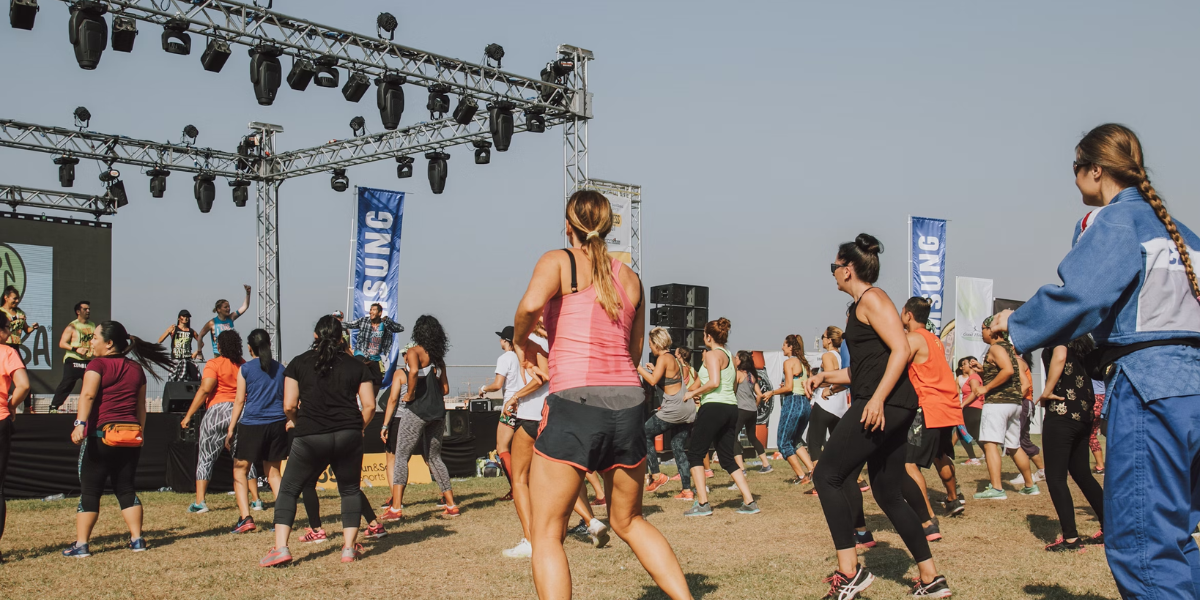
From a lifestyle perspective, the running boom has become more social and community-driven. Local clubs, group runs, charity races, and branded fitness meetups offer opportunities to connect while staying active. For men balancing work, family, and health goals, these communities can provide motivation and structure that solo exercise sometimes lacks. Weekend race calendars also create travel opportunities centered around health rather than passive entertainment.
Retailers are responding with curated spring shopping campaigns focused on performance footwear, hydration packs, sunglasses, and recovery tools. Entry-level consumers are often seeking versatile products that can handle gym sessions, casual wear, and outdoor training in one purchase. That practical mindset has become central to current shopping behavior, where value and functionality matter as much as branding.
The key takeaway from April 2026 is that running has evolved beyond a niche sport into a mainstream wellness movement with clear economic and cultural impact. It connects fitness, gear, technology, health awareness, and community in a way few other activities can. For readers looking to improve daily energy, manage stress, or upgrade their fitness routine, the trend offers a timely and accessible starting point.
As spring continues, America’s running resurgence stands out as one of the season’s most relevant lifestyle stories. It reflects a broader shift toward practical health habits, smarter shopping choices, and performance-minded living that fits modern everyday life.