As Memorial Day weekend begins across the United States on May 23, 2026, one of the biggest developments shaping travel and entertainment is the nationwide surge in sports tourism. From packed stadiums and sold-out racing events to increased hotel occupancy and retail spending, the sports industry is helping drive one of the busiest holiday weekends of the year.
Major sporting events taking place this weekend, including the buildup to the Indianapolis 500, Major League Baseball rivalry series, and regional fitness competitions, are attracting fans from across the country. Industry analysts say the combination of live sports, warmer weather, and increased consumer confidence has created a strong economic boost for travel, hospitality, and retail businesses.
The annual Indianapolis 500 remains one of the centerpiece attractions of Memorial Day weekend. Organizers reported strong attendance numbers leading into race weekend, with hotels near the Indianapolis Motor Speedway experiencing near-capacity bookings. Fans traveling for the event are also contributing to increased spending at restaurants, sports bars, merchandise shops, and local entertainment venues.
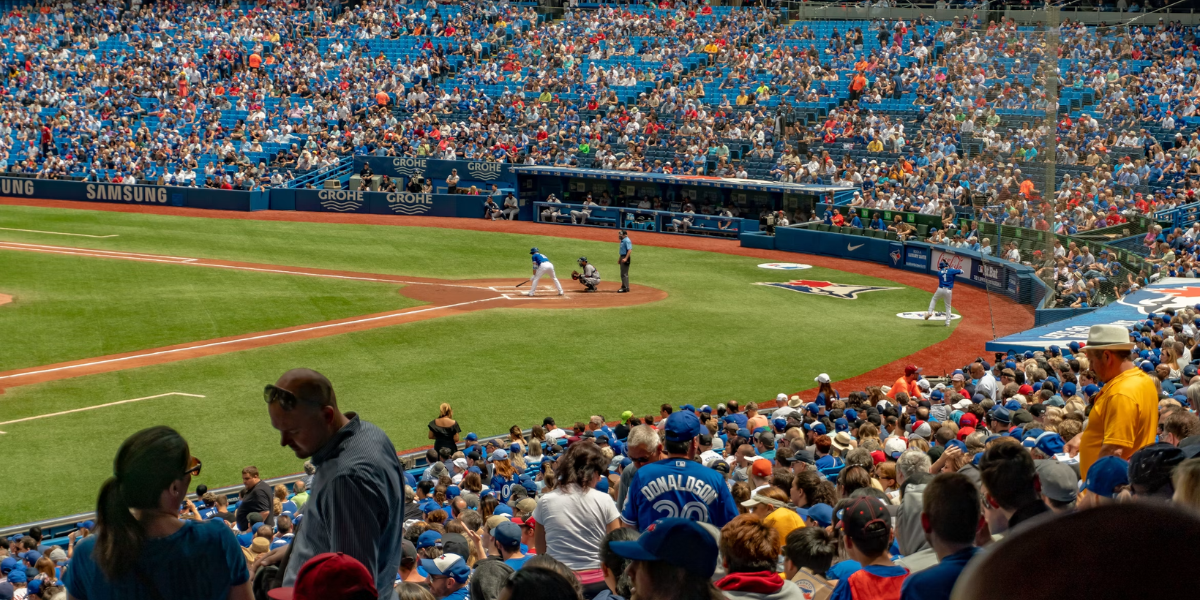
Beyond motorsports, baseball has emerged as another major draw this weekend. Several high-profile MLB matchups are generating increased attendance as families and groups look for affordable holiday entertainment options. Sports tourism experts note that baseball’s scheduling around Memorial Day traditionally creates a strong travel opportunity for fans willing to attend weekend series in nearby cities.
The growth of sports-related travel reflects broader trends within the U.S. leisure economy. According to recent tourism data, domestic travel demand has remained strong throughout the spring of 2026, especially for experiences tied to live entertainment and outdoor activities. Sports events have become increasingly valuable because they often encourage multi-day stays, which directly benefit local economies.
Fitness events are also contributing to the trend. Cities hosting marathons, CrossFit competitions, cycling races, and obstacle course events are seeing higher participation rates this year compared to previous seasons. Many of these competitions attract amateur athletes who travel with family members or training groups, creating additional tourism activity.
Retailers are also capitalizing on the surge in sports and fitness culture. Sporting goods stores and athletic apparel brands have reported increased demand for travel-friendly gear, performance footwear, hydration products, and outdoor fitness accessories ahead of the holiday weekend. Men’s activewear remains one of the strongest-performing categories, fueled by continued consumer interest in health and fitness lifestyles.
Industry observers point to a broader cultural shift in how consumers prioritize experiences over material purchases. Sporting events offer a combination of entertainment, community engagement, and travel, making them particularly attractive to younger adults and families. The trend has also benefited secondary cities that host tournaments, regional races, and amateur sporting events.
Hotels in sports-heavy destinations are seeing measurable gains from this movement. Hospitality analysts report that cities connected to major events are experiencing elevated room rates and longer booking durations compared to normal spring weekends. Restaurants and nightlife districts near stadiums are similarly benefiting from increased foot traffic.
Technology is also playing a role in the sports tourism boom. Mobile ticketing platforms, travel apps, and social media content surrounding live events have made it easier for fans to organize spontaneous trips. Many travelers are now combining sporting events with broader weekend experiences that include dining, shopping, and outdoor recreation.
For men’s lifestyle audiences, the continued expansion of sports tourism reflects growing interest in active living and experiential travel. Weekend sports trips are increasingly viewed as opportunities to connect with friends, enjoy competitive events, and participate in fitness-oriented activities. Travel brands and apparel companies have responded by marketing products designed specifically for short sports-focused getaways.
Sports business analysts believe the trend could continue throughout the summer as more consumers seek outdoor entertainment options. Upcoming events such as golf tournaments, summer baseball series, soccer exhibitions, and endurance races are expected to sustain strong domestic travel numbers over the coming months.
At the same time, local governments and tourism boards are paying closer attention to the economic value of sports-driven travel. Many cities are investing in upgraded stadium infrastructure, entertainment districts, and transportation systems to attract future events. Sports tourism is increasingly seen as a reliable driver of economic activity that can support small businesses and create seasonal employment opportunities.
Consumer behavior is another important factor behind the 2026 surge. Surveys conducted earlier this year suggested that Americans are prioritizing shared experiences and wellness-oriented activities after several years of shifting work and lifestyle patterns. Live sports, outdoor events, and recreational travel fit naturally within those preferences.
The Memorial Day weekend sports surge also highlights the resilience of the live entertainment industry. Despite the rapid growth of streaming and digital viewing platforms, fans continue to show strong enthusiasm for attending events in person. Stadium atmospheres, tailgating culture, and community engagement remain major attractions that cannot be fully replicated online.
For retailers and lifestyle brands, the holiday weekend presents an opportunity to connect with consumers interested in sports, fitness, and travel culture. Brands focused on athletic performance, outdoor gear, and casual menswear are likely to continue benefiting from these evolving consumer habits throughout 2026.
As the summer season officially begins, Memorial Day weekend is once again proving that sports remain one of the most powerful forces driving travel, spending, and cultural engagement across the United States. With strong attendance figures, rising tourism demand, and continued enthusiasm for live events, the sports tourism industry appears positioned for another highly active season ahead.