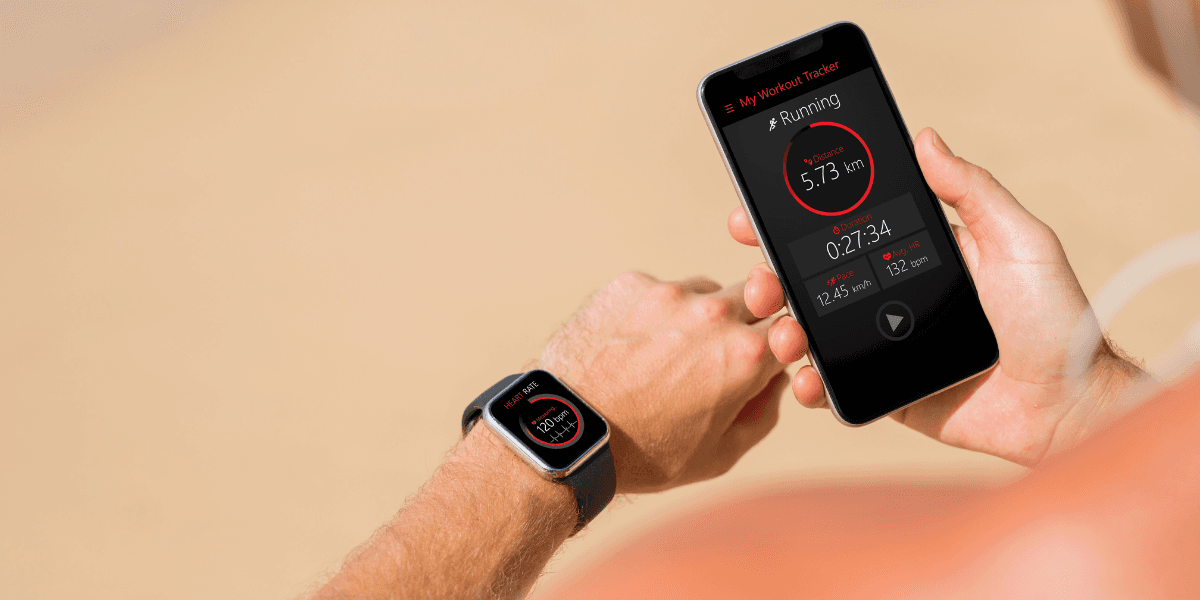
Smart Fitness Wearables See Major Growth as Men Prioritize Health Tracking in 2026
Smart fitness wearables continued gaining momentum across the United States on May 25, 2026, as health-conscious consumers increasingly invested in devices designed to monitor workouts, recovery, sleep quality, and overall wellness. Industry analysts reported that the latest generation of wearable technology is becoming more integrated into everyday routines, particularly among men seeking data-driven approaches to fitness and personal performance.
The expanding popularity of smartwatches, fitness bands, recovery trackers, and biometric monitoring devices reflects a larger trend toward preventative health management and connected fitness experiences. Technology companies unveiled updated devices throughout the spring season featuring advanced health metrics, AI-powered coaching tools, and improved battery performance aimed at active consumers.
Retailers and electronics stores reported strong demand during the Memorial Day shopping weekend, with wearable technology ranking among the most searched and purchased fitness-related categories. Consumers appeared especially interested in devices offering heart-rate monitoring, sleep tracking, stress analysis, hydration reminders, and recovery insights.
Industry experts noted that wearable fitness technology has evolved beyond simple step counting. Modern devices increasingly provide detailed training analytics used by athletes, gym enthusiasts, runners, cyclists, and recreational users alike. Features such as GPS tracking, blood oxygen monitoring, guided workouts, and personalized readiness scores have become major selling points.
The growing popularity of hybrid work schedules and flexible lifestyles has also contributed to higher interest in health monitoring tools. Many consumers are seeking ways to maintain consistent fitness habits while balancing work, travel, and daily responsibilities. Wearable devices allow users to track activity throughout the day without requiring gym-specific equipment or structured training environments.
Fitness professionals say consumers are becoming more focused on recovery and long-term wellness rather than only high-intensity performance metrics. Sleep optimization, stress management, and mobility tracking are now central features in many premium wearable devices. Experts believe this shift reflects broader awareness surrounding mental wellness, fatigue prevention, and sustainable exercise habits.
Sports performance brands have also entered the competitive wearable market with products tailored to specific athletic activities. Running-focused devices, golf performance trackers, cycling computers, and recovery monitors designed for strength athletes have all seen increased visibility in recent months. Outdoor recreation trends, including hiking, trail running, and endurance sports, further boosted demand for rugged wearable technology.
Technology companies additionally emphasized AI integration throughout their latest product launches. Several new platforms now provide adaptive coaching recommendations based on user behavior, workout intensity, sleep data, and recovery patterns. Analysts believe artificial intelligence could become one of the defining features of next-generation fitness technology over the next several years.
Beyond athletics, wearable technology is increasingly marketed as part of broader lifestyle management. Devices now commonly integrate with productivity apps, nutrition tracking systems, mobile payment platforms, and smart home ecosystems. This multi-purpose functionality has helped expand wearable appeal beyond dedicated fitness audiences.
Men’s lifestyle experts point out that wearable technology has also become a fashion category in its own right. Manufacturers are increasingly focusing on premium materials, interchangeable bands, luxury finishes, and minimalist designs intended to blend seamlessly with both professional and casual wardrobes. Stainless steel finishes, titanium casings, and leather accessories have become more common among higher-end models targeting style-conscious buyers.
The intersection of fitness, fashion, and technology has created new opportunities for brands competing in the wearable market. Consumers are no longer selecting devices based solely on performance specifications. Appearance, comfort, durability, and compatibility with everyday clothing now play larger roles in purchasing decisions.
Retail analysts observed strong Memorial Day weekend sales across fitness gear and wearable technology categories. Promotional activity surrounding summer fitness goals, outdoor training, and travel season helped increase consumer interest in connected health devices. Online retailers and sporting goods stores highlighted smartwatches and recovery trackers as top-selling seasonal products.
Healthcare professionals have also shown growing interest in consumer wearable technology. While experts caution that wearables are not substitutes for medical evaluation, many devices now provide useful insights into exercise habits, sleep quality, and general activity patterns. Some healthcare systems are exploring ways to integrate wearable-generated data into broader wellness programs.
Battery life improvements remain another major focus in the industry. Consumers increasingly prefer devices capable of multi-day use without frequent charging interruptions. Solar-assisted charging, low-power display technology, and optimized sensors have contributed to longer operational performance across several new models released this year.
Analysts expect the wearable fitness market to remain highly competitive throughout 2026 as companies continue racing to introduce more personalized and health-focused technology. Demand appears especially strong among younger professionals and active adults seeking convenient ways to monitor performance and maintain wellness routines.
For many consumers, wearable devices now represent more than fitness accessories. They have become everyday lifestyle tools designed to support healthier habits, improved performance, and more informed personal wellness decisions in an increasingly connected world.

Men's Reporter Contributor
This article features partner, contributor, or branded content from a third party. Members of the Men's Reporter editorial staff were not involved in the creation of this content. All views and opinions are those of the contributor alone.