Fitness Technology and Smart Training Gear Lead Men’s Lifestyle Trends in Summer 2026
As summer 2026 gains momentum across the United States, one of the biggest developments in the men’s lifestyle space is the growing demand for fitness technology and performance-focused training gear. From advanced running watches to recovery tools and AI-assisted training platforms, consumers are increasingly investing in products that support healthier, more active lifestyles.
The trend reflects a broader shift in how men approach fitness and wellness. Rather than focusing solely on gym memberships or traditional workout routines, many are embracing technology-driven solutions that provide personalized insights, track performance metrics, and help maintain consistency in training. Industry analysts note that wearable technology, smart fitness equipment, and data-driven coaching tools continue to be among the fastest-growing segments in the fitness market.
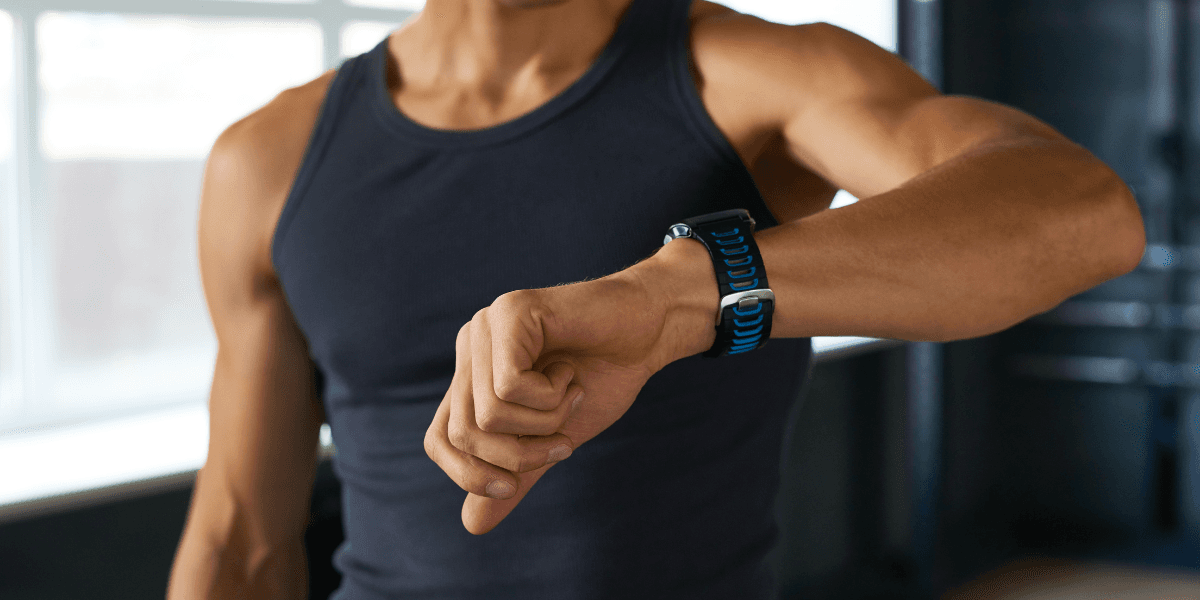
One of the most talked-about developments this month is the arrival of new fitness wearables designed to make advanced training metrics more accessible to everyday users. New generations of health-monitoring devices, smart rings, and performance-tracking watches are expanding the range of available fitness data. These products are designed to help users monitor workouts, recovery, sleep quality, and overall activity levels.
The rise of fitness technology comes at a time when Americans are increasingly seeking practical ways to stay active. Health experts continue to emphasize the importance of regular physical activity in maintaining overall well-being. Activities such as walking, cycling, recreational sports, and strength training remain among the most effective ways to improve physical fitness and support long-term health goals.
Consumer interest is also being driven by changing workout habits. While cardio and strength training remain popular, participation in cross-training programs, yoga, Pilates, and recreational sports has grown significantly. These evolving preferences are encouraging manufacturers to develop more versatile products capable of supporting a wider variety of training styles and fitness objectives.
Another major trend is the growing connection between fitness and lifestyle fashion. Performance apparel is increasingly designed to transition seamlessly from workouts to everyday activities. Athletic brands are emphasizing comfort, durability, and modern styling, reflecting the continued popularity of athleisure among male consumers. Activewear remains one of the strongest categories in the apparel market, with shoppers seeking products that combine functionality with contemporary design.
The influence of major sporting events is also shaping consumer behavior. High-profile international competitions continue to generate interest in sports training, performance gear, and athletic-inspired apparel. Sports culture remains a powerful force in consumer trends, influencing everything from footwear choices to workout routines, particularly among younger consumers seeking products associated with professional athletes and elite performance.
Technology is playing a larger role in this evolution as well. New training platforms increasingly incorporate artificial intelligence, real-time performance analysis, and personalized coaching recommendations. These innovations are becoming more common across recreational and competitive fitness communities, helping users track progress and make more informed decisions about their workouts.
For consumers, the appeal of these innovations lies in convenience and personalization. Modern fitness devices can collect detailed information about activity levels, sleep patterns, heart-rate trends, and recovery metrics. This allows users to better understand their habits and tailor fitness routines to individual goals. While technology cannot replace consistent effort, it can provide valuable feedback that helps users stay motivated and accountable.
The trend also reflects a broader cultural shift toward wellness-focused lifestyles. Men are increasingly viewing health and fitness as long-term investments rather than short-term goals. This perspective has contributed to sustained demand for products that support active living, recovery, and overall well-being.
As summer progresses, experts expect fitness technology and performance gear to remain key drivers of consumer interest. Whether through smart wearables, advanced training tools, or versatile activewear, the market continues to evolve in ways that make fitness more accessible and engaging.
For readers interested in improving their health, staying active, or upgrading their workout routines, the latest generation of fitness-focused products offers a glimpse into the future of training. The growing integration of technology, performance, and lifestyle design demonstrates how modern fitness is becoming increasingly personalized, connected, and adaptable to everyday life.

Men's Reporter Contributor
This article features partner, contributor, or branded content from a third party. Members of the Men's Reporter editorial staff were not involved in the creation of this content. All views and opinions are those of the contributor alone.