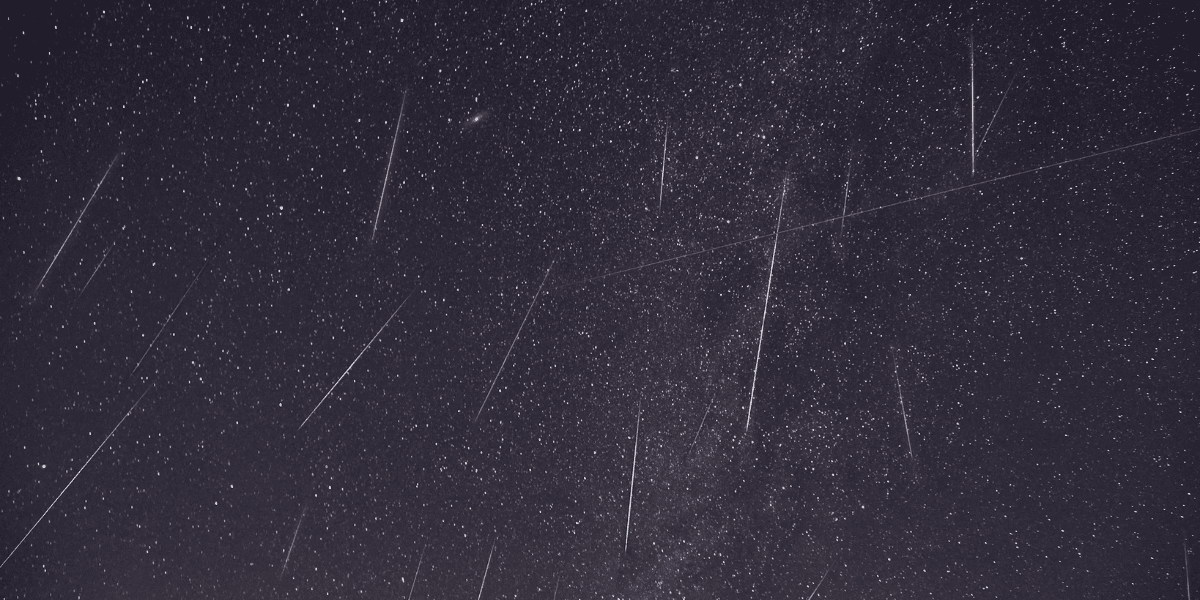
Lyrid Meteor Shower Peaks Over the United States Tonight With Ideal Viewing Conditions
Americans looking for a memorable event on April 22, 2026, have a reason to step outside after dark. The annual Lyrid meteor shower reaches its peak tonight, offering one of the best skywatching opportunities of the spring season. Astronomers and skywatching organizations say conditions across much of the United States are especially favorable this year because the moon will set early, leaving darker skies for observers.
The Lyrids are one of the oldest known meteor showers in recorded history, with observations dating back more than 2,700 years. Every April, Earth passes through a stream of dust and debris left behind by Comet C/1861 G1 Thatcher. As those tiny particles enter Earth’s atmosphere at high speed, they burn up and create bright streaks of light commonly known as shooting stars.
For viewers in the United States, experts say the best time to watch will be from late evening through the pre-dawn hours of April 23. Some reports note that activity may become noticeable around 10:30 p.m. local time, with the strongest viewing window after midnight when the radiant point climbs higher in the sky.
Why This Year’s Peak Matters
Meteor showers happen every year, but visibility depends heavily on weather and moonlight. In 2026, a dim crescent moon is expected to set early enough that it should not interfere significantly with viewing during the peak hours. That means darker skies and better contrast for spotting meteors.
Under ideal dark-sky conditions, observers may see around 15 to 20 meteors per hour, though occasional outbursts can produce much higher numbers. The Lyrids are also known for leaving glowing dust trails and sometimes producing bright fireballs, which adds excitement for casual viewers and dedicated stargazers alike.
For many Americans, the timing is also ideal. Falling on Earth Day, the meteor shower offers a natural reminder of the connection between daily life on Earth and the larger universe beyond it.
Best Places to Watch in the U.S.
To get the best experience, viewers should seek out locations away from city lights. National parks, rural areas, beaches, open fields, and elevated locations can all improve visibility.
Even suburban viewers may catch meteors if they can find a darker patch of sky and avoid direct streetlights. Turning off outdoor lights and allowing eyes 20 to 30 minutes to adjust to darkness can make a major difference.
How to Watch Without Special Gear
Unlike eclipses or planetary viewing, meteor showers require no telescope or binoculars. In fact, experts recommend using the naked eye because it gives the widest field of view.
A few simple tips can improve the experience:
- Bring a reclining chair or blanket for comfort.
- Dress warmly, especially in cooler states where overnight temperatures can drop.
- Put phones away or dim screens to preserve night vision.
- Look broadly across the sky rather than focusing on one point.
- Be patient. Meteors often come in clusters followed by quiet stretches.
The meteors appear to radiate from the constellation Lyra, near the bright star Vega, but they can streak across any part of the sky.
A Timely Outdoor Experience
In a busy digital era, events like tonight’s Lyrid peak offer something increasingly valuable: a simple shared experience outdoors. Families, friends, runners finishing late workouts, campers, and solo observers can all enjoy the same sky without tickets or screens.
For readers interested in lifestyle and wellness, there is another benefit. Spending time outdoors in quiet darkness can be calming and restorative. It creates a break from constant notifications and offers a moment of perspective that many people rarely make time for.
What Comes Next
If weather interferes tonight, the shower remains active for several days, though rates generally decline after the peak. Another meteor shower, the Eta Aquarids, is expected in early May, giving skywatchers another chance soon.
Still, tonight is the headline event. With favorable moon conditions and widespread visibility across the United States, April 22, 2026, stands out as one of the best spring nights of the year to look up.
For anyone deciding how to spend the evening, the answer may be as simple as stepping outside and watching the sky.

Men's Reporter Contributor
This article features partner, contributor, or branded content from a third party. Members of the Men's Reporter editorial staff were not involved in the creation of this content. All views and opinions are those of the contributor alone.