Men’s Activewear and Performance Fashion Continue Dominating Retail Trends in 2026
The men’s activewear market continues expanding across the United States in 2026 as performance-focused fashion remains one of the strongest sectors in retail. From technical training apparel and recovery footwear to versatile lifestyle sneakers and lightweight travel gear, brands are increasingly targeting consumers seeking clothing that balances function, comfort, and modern style.
Retail analysts say the growth reflects long-term shifts in consumer behavior that accelerated over the past several years. Men are spending more on apparel designed for flexible everyday use, including gym sessions, travel, remote work, and casual social settings. Performance fabrics, moisture-wicking materials, and minimalist athletic designs have become standard features across major product launches this spring.
Industry reports released this quarter show continued momentum in the global sportswear and active lifestyle market, particularly among younger professionals and fitness-conscious consumers. Companies including Nike, Adidas, Lululemon, Under Armour, and Vuori continue expanding collections focused on versatile menswear that blends athletic functionality with casual fashion appeal.
One of the strongest retail trends this season involves “performance casual” clothing. The category includes stretch-based pants, lightweight jackets, technical polos, commuter sneakers, and breathable layering pieces designed to transition between workouts and everyday activities. Fashion analysts say consumers increasingly prioritize practicality and comfort without sacrificing style.
Athleisure continues influencing men’s fashion well beyond traditional sportswear brands. Luxury labels and mainstream retailers alike are incorporating athletic-inspired silhouettes, technical fabrics, and relaxed fits into broader seasonal collections. Neutral tones, clean tailoring, and minimalist branding remain especially popular among male shoppers looking for adaptable wardrobe staples.
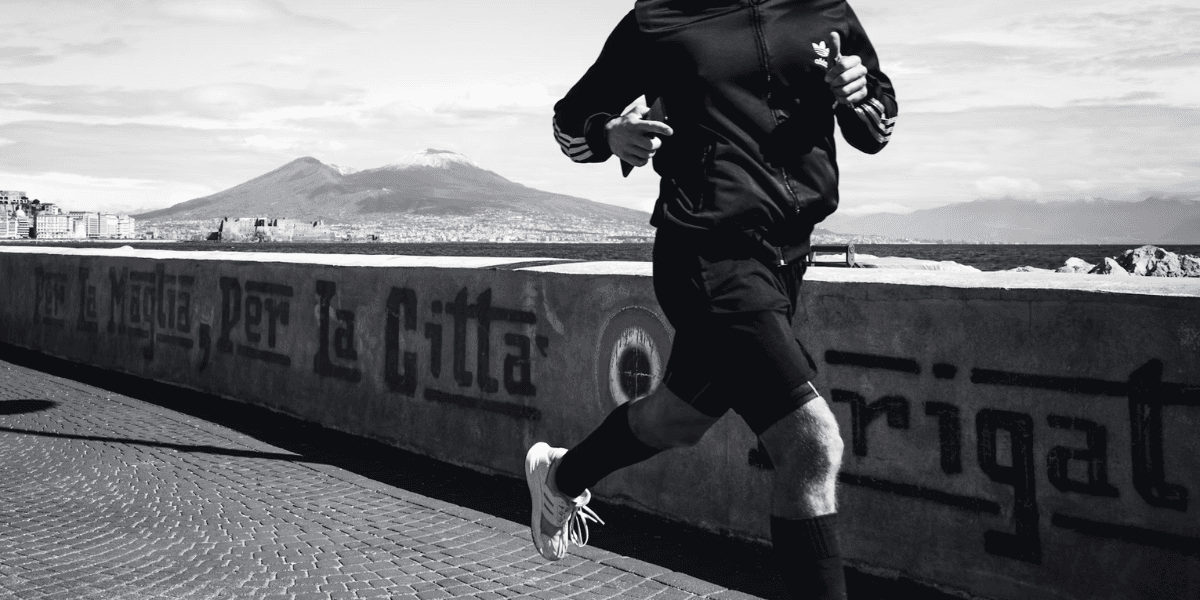
Footwear has become another major battleground in the active lifestyle market. Running-inspired sneakers, walking shoes, and recovery-focused sandals continue seeing strong demand as consumers place greater emphasis on mobility, comfort, and wellness. Several footwear companies have recently launched updated cushioning technologies and lightweight designs aimed at both athletic performance and everyday wear.
Shopping habits are also changing alongside these fashion trends. Consumers increasingly research products through fitness communities, sports influencers, athlete partnerships, and digital reviews before making purchases. Retail experts say shoppers are placing greater importance on durability, comfort, and long-term versatility rather than simply following seasonal fashion cycles.
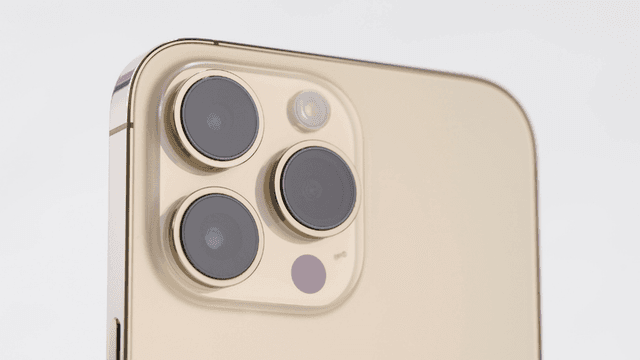
Wearable technology and connected accessories are further shaping shopping trends in 2026. Smartwatches, fitness trackers, hydration-monitoring bottles, and recovery devices continue crossing into mainstream lifestyle categories. Many consumers now view wellness-focused technology as part of their overall daily routine rather than separate fitness equipment.
Health and fitness technology remains one of the fastest-growing segments within consumer electronics this year. Devices focused on recovery, sleep quality, heart rate monitoring, and activity tracking continue attracting strong consumer interest.
The rise of hybrid work schedules has also influenced fashion and shopping behavior. Many consumers are purchasing apparel that works across multiple environments, including offices, airports, gyms, and casual settings. Retailers have responded by expanding collections that emphasize wrinkle resistance, stretch mobility, breathable construction, and lightweight comfort.
Fitness culture continues playing a major role in shaping men’s purchasing decisions as well. Strength training, golf, cycling, running, and outdoor recreation remain highly influential categories for apparel and gear brands. Products tied to active lifestyles often perform especially well during spring and summer shopping periods when consumers increase outdoor activity and travel.
Health-conscious consumers are also showing growing interest in recovery-focused products. Compression apparel, ergonomic footwear, massage devices, and mobility accessories are becoming more visible across retail platforms. Sports medicine professionals say the popularity of these products reflects increasing awareness surrounding recovery, posture, and injury prevention.
Sustainability remains another important conversation within the apparel industry. Several major brands are continuing efforts to incorporate recycled materials, lower-impact manufacturing practices, and longer-lasting product designs into newer collections. Consumers increasingly expect brands to balance performance innovation with environmental responsibility.
Fashion experts say the broader evolution of men’s style reflects changing attitudes toward wellness and self-presentation. Modern consumers are often looking for products that support active lifestyles while maintaining a polished, versatile appearance suitable for daily routines.
Public health initiatives promoting physical activity and wellness throughout May are also contributing to increased interest in fitness apparel and outdoor gear. National Physical Fitness and Sports Month has encouraged more Americans to participate in recreational sports, walking programs, gym memberships, and other wellness activities this spring.
For shoppers navigating the expanding activewear market, experts recommend prioritizing comfort, fit, durability, and versatility over trend-driven purchases alone. Apparel and gear that support everyday movement and long-term wear continue offering the strongest value for most consumers.
As 2026 retail trends continue evolving, men’s activewear and performance fashion remain at the center of a larger cultural shift where health, fitness, style, and functionality increasingly overlap in everyday life.

Men's Reporter Contributor
This article features partner, contributor, or branded content from a third party. Members of the Men's Reporter editorial staff were not involved in the creation of this content. All views and opinions are those of the contributor alone.