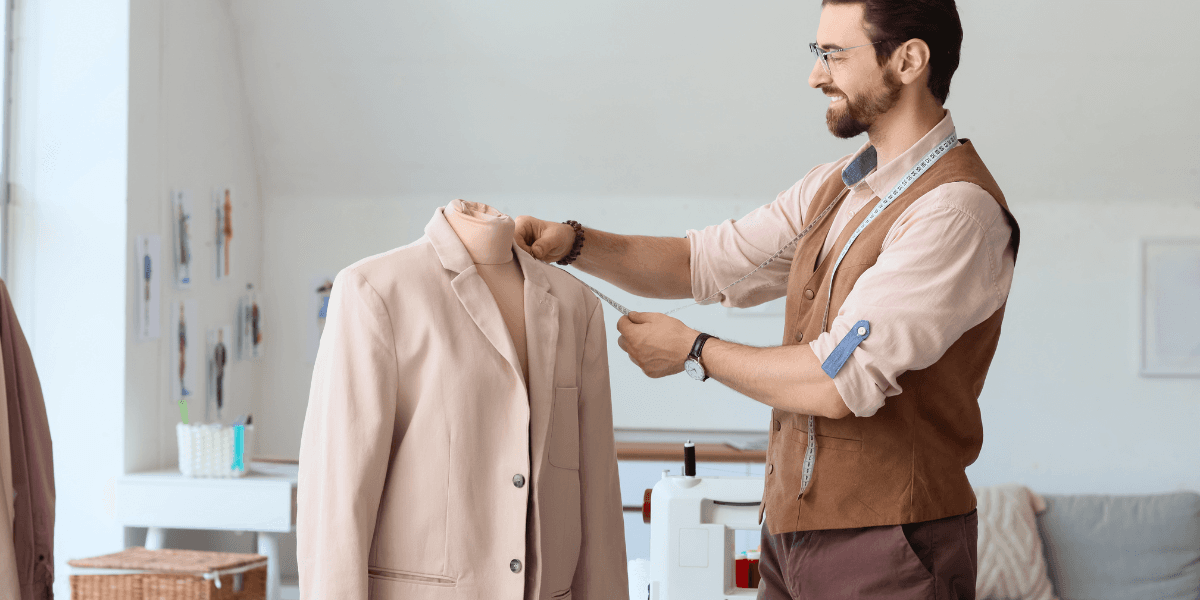
Relaxed Tailoring and Utility Fashion Lead Men’s Style Trends Heading Into Summer 2026
As summer 2026 begins, the men’s fashion industry is experiencing a noticeable shift toward comfort-driven tailoring, versatile wardrobe essentials, and functional design. Across major fashion markets, designers, retailers, and trend analysts are highlighting a growing preference for clothing that balances refined style with everyday practicality, reflecting broader changes in consumer behavior and lifestyle needs.
Industry observers report that relaxed tailoring has emerged as one of the most influential menswear movements of the year. Rather than emphasizing rigid silhouettes and highly structured garments, brands are increasingly focusing on softer construction, lightweight fabrics, and more natural fits. Fashion experts note that modern consumers are prioritizing clothing that can transition easily between work, travel, social gatherings, and casual settings.
According to fashion industry reporting, the Spring/Summer 2026 menswear season has introduced a broader movement toward wearable luxury. Designers are embracing relaxed jackets, looser trousers, linen fabrics, and understated styling that emphasizes comfort without sacrificing sophistication. Analysts describe the trend as a response to changing consumer expectations, where versatility and long-term wearability often outweigh fast-moving fashion cycles.
Another major development shaping men’s style this year is the growing popularity of utility-inspired fashion. Retail trend reports indicate that technical fabrics, lightweight outerwear, and performance-focused materials are increasingly appearing in everyday wardrobes. Unlike earlier versions of utility fashion that focused heavily on outdoor aesthetics, current interpretations are designed to blend seamlessly into urban environments while maintaining practical functionality.
Fashion analysts also point to changing attitudes among younger consumers as a key driver of these trends. Rather than purchasing entirely new wardrobes each season, many shoppers are focusing on adaptable pieces that can be styled in multiple ways. This approach encourages investment in high-quality basics, versatile outerwear, and timeless garments capable of remaining relevant beyond a single season. Industry experts say the shift reflects a broader emphasis on personal expression and sustainable purchasing habits.
Color palettes are evolving as well. While black remains a staple in men’s fashion, trend forecasters report increased interest in warmer neutral tones, including walnut, hemp, latte, and various shades of brown. These colors are being paired with natural fabrics and textured materials to create outfits that feel polished yet approachable. Analysts suggest that the trend reflects a growing appreciation for craftsmanship and premium materials across multiple price points.
The footwear category is also seeing notable changes heading into summer. Fashion publications report rising interest in minimalist footwear styles that combine comfort with refined design. Structured loafers, derby-inspired shoes, and contemporary interpretations of classic silhouettes are gaining visibility on runways and in retail collections. Industry observers note that consumers increasingly favor footwear capable of working across both casual and semi-formal settings, reinforcing the broader theme of versatility within modern menswear.
Meanwhile, major fashion publications covering the Spring/Summer 2026 season have identified shifting proportions as another defining characteristic of the current style landscape. Looser cuts, relaxed shoulders, and softer tailoring are appearing alongside shorter hems and lightweight layering pieces. Rather than promoting a single dominant aesthetic, designers are offering a wider range of options that allow consumers to personalize their appearance while maintaining comfort and functionality.
Retailers have responded to these preferences by expanding collections centered on breathable fabrics, travel-friendly construction, and versatile styling. Lightweight cotton, linen blends, and performance materials are becoming increasingly common across menswear categories. These fabrics appeal to consumers seeking clothing that performs well in warmer weather while maintaining a refined appearance suitable for both professional and recreational environments.
Fashion experts believe these developments reflect larger cultural changes affecting how men approach style. The modern consumer often seeks clothing that supports an active lifestyle while still projecting confidence and professionalism. As remote work, hybrid schedules, travel, and social activities continue to intersect, demand has grown for garments capable of adapting to multiple settings throughout the day. This practical approach has helped shape many of the trends currently defining the menswear market.
For readers interested in fashion, shopping, and lifestyle trends, the current menswear landscape offers a clear message: comfort and refinement are no longer viewed as competing priorities. Instead, they are increasingly working together to shape the next generation of everyday style. As summer 2026 progresses, relaxed tailoring, utility-inspired design, and versatile wardrobe essentials are expected to remain among the most influential trends in men’s fashion, reflecting both changing consumer habits and the industry’s ongoing evolution.

Men's Reporter Contributor
This article features partner, contributor, or branded content from a third party. Members of the Men's Reporter editorial staff were not involved in the creation of this content. All views and opinions are those of the contributor alone.