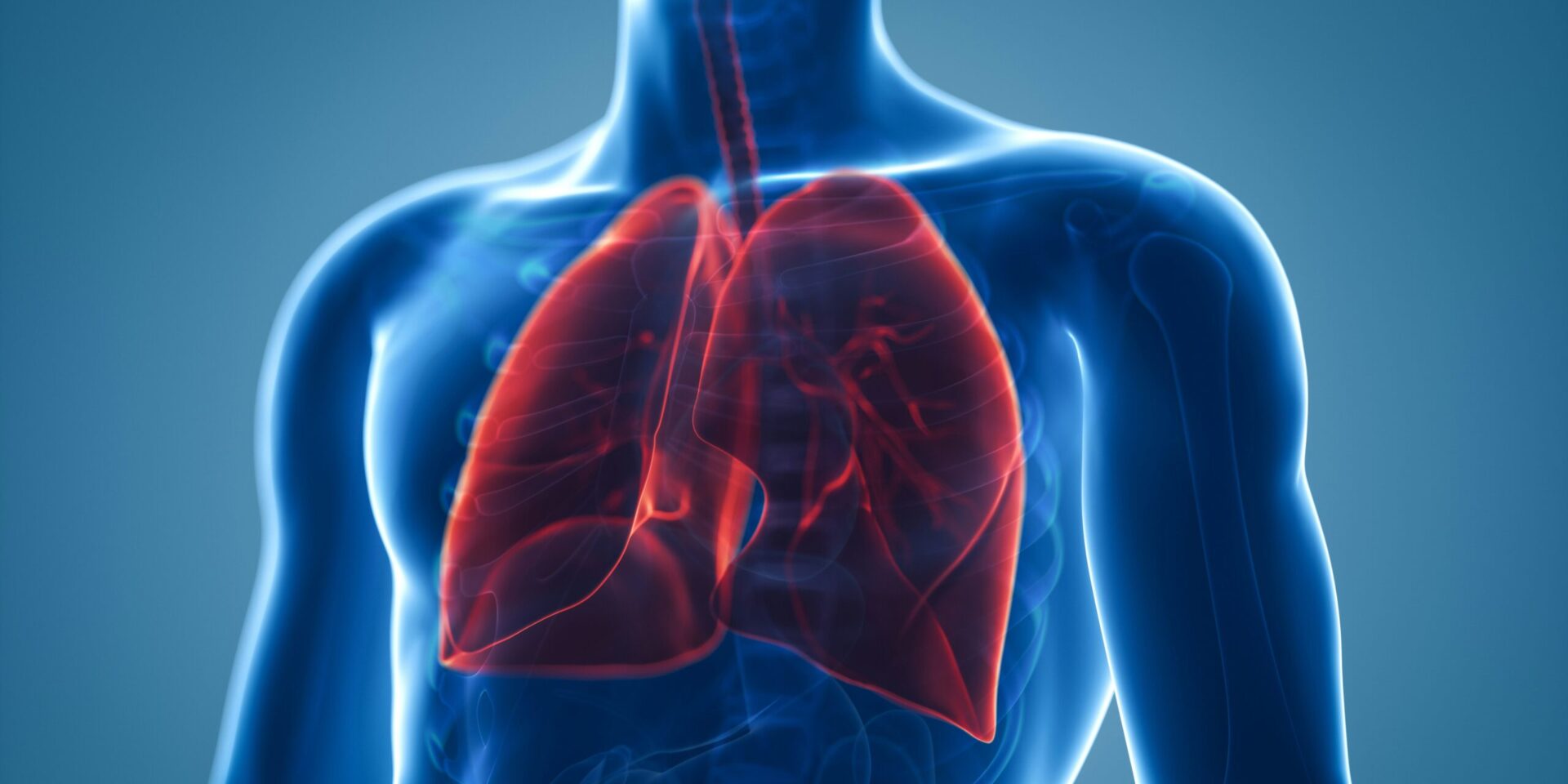
As of mid-January 2026, respiratory virus activity remains elevated across multiple regions of the United States, according to ongoing surveillance by the Centers for Disease Control and Prevention. Health officials report that influenza activity is higher than what is typically observed for this point in the winter season, while respiratory syncytial virus, commonly known as RSV, continues to circulate at notable levels. COVID-19 infections, though still relatively low compared with peak pandemic periods, are showing a gradual upward trend, adding to the overall burden of seasonal respiratory illness.
Public health experts note that the convergence of several respiratory viruses at once is not unusual during winter months, but the intensity and persistence of activity this season has drawn close attention from health agencies. Influenza has emerged as a particular concern, with several states reporting widespread activity and increased outpatient visits for flu-like illness. Hospitals in some areas have also experienced higher patient volumes related to respiratory symptoms, especially among older adults and individuals with underlying health conditions.
RSV remains an additional focus for health officials, particularly because of its impact on young children and seniors. While RSV often peaks earlier in the winter, this season has seen sustained transmission into January. Pediatric hospitals in certain regions have reported continued admissions linked to RSV, underscoring the virus’s potential severity in infants and toddlers. Among older adults, RSV can exacerbate chronic conditions such as heart and lung disease, making prevention and early treatment especially important.
COVID-19, while no longer dominating headlines in the same way it did in previous years, has not disappeared. CDC data indicate that infections are increasing from low baseline levels, a trend consistent with winter seasonal patterns. Health officials emphasize that even modest increases can have broader effects when combined with high flu and RSV activity, particularly in healthcare settings already managing multiple respiratory threats.
Despite the elevated levels of illness, federal health authorities have not issued new emergency alerts or restrictions. Instead, the CDC continues to stress the importance of routine preventive measures that have proven effective in reducing transmission. Vaccination remains a cornerstone of public health guidance. Officials encourage people who have not yet received their seasonal flu shot or the latest recommended COVID-19 vaccine to do so, noting that vaccines significantly reduce the risk of severe illness, hospitalization, and death.
Basic hygiene practices are also being reinforced as critical tools during this period of heightened virus circulation. Regular handwashing, covering coughs and sneezes, and cleaning frequently touched surfaces can help limit the spread of respiratory pathogens. Health officials continue to advise individuals who feel unwell to stay home when possible, both to support their own recovery and to protect others, particularly those who are more vulnerable to complications.
Schools, workplaces, and long-term care facilities are among the environments where vigilance remains especially important. These settings often involve close contact and shared spaces, which can facilitate rapid transmission if preventive steps are not followed. Many institutions have maintained seasonal illness protocols, including encouraging vaccination, improving indoor ventilation, and allowing flexible sick-leave policies to discourage people from attending while ill.
The current respiratory virus landscape also highlights broader lessons learned in recent years about public health preparedness. Enhanced surveillance systems allow health agencies to track trends in near real time, helping guide recommendations and resource allocation. This data-driven approach enables officials to anticipate potential surges and communicate risks clearly to the public without causing unnecessary alarm.
Health experts caution that respiratory virus activity can continue to fluctuate through late winter and early spring. While some regions may see declines in flu or RSV in the coming weeks, others could experience sustained or even increased transmission. As a result, officials emphasize that preventive behaviors should not be relaxed prematurely, even if local case numbers appear to improve.
For individuals and families, the message from public health authorities is one of awareness rather than panic. Elevated virus activity does not mean that severe illness is inevitable, but it does mean that caution is warranted. Staying up to date on vaccinations, paying attention to symptoms, and making thoughtful decisions about gatherings and travel when sick can collectively reduce the overall impact of the season.
As January draws to a close, the CDC continues to monitor respiratory virus trends closely and provide regular updates. Officials say that the combined efforts of healthcare providers, public health agencies, and individuals play a crucial role in managing seasonal illness and protecting community health. The coming weeks will be critical in determining how quickly respiratory virus activity begins to ease, but for now, prevention and preparedness remain key themes of the winter health outlook.