San Diego Comic-Con Reaches Peak Saturday With Major Panels, Cosplay and Collectibles
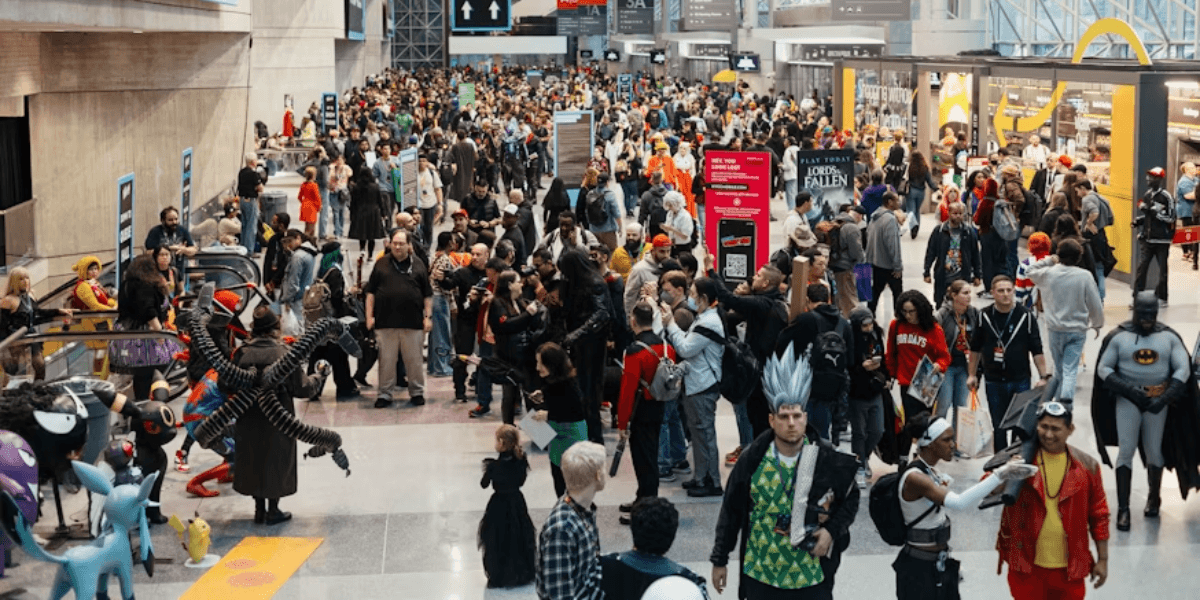
San Diego Comic-Con entered its busiest day on Saturday, July 25, bringing film and television previews, gaming showcases, collectible releases, cosplay craftsmanship and large crowds to downtown San Diego. The 2026 convention runs from July 23 through July 26, following Preview Night on July 22, at the San Diego Convention Center and nearby venues.
The annual gathering remains one of the largest celebrations of comics and popular entertainment in the United States. Its programming now covers movies, television, games, interactive media, publishing, illustration and fan culture, giving attendees access to both major entertainment companies and independent creators.
Saturday traditionally features some of the convention’s most anticipated programming. This year’s schedule includes major franchise presentations, anniversary events, screenings, creator discussions and industry workshops. Programs connected to Marvel Studios, the “Star Trek” universe, Batman and several streaming productions are among the sessions expected to attract significant interest.
The variety demonstrates how Comic-Con has grown beyond its comic-book origins while continuing to support writers, artists and publishers. Visitors can move from large studio presentations to smaller sessions focused on illustration, storytelling, costume design, animation and the business of creative work.
For attendees interested in men’s style, design and hands-on craftsmanship, cosplay remains one of the convention’s defining attractions. Many fans begin constructing their outfits months before the event, investing considerable time and money in fabric, armor, makeup, electronics and custom-built accessories.
The finished costumes must also withstand long hours, crowded hallways and warm summer weather. Volunteers and experienced cosplayers often carry repair supplies such as glue, tape, safety pins, sewing tools and replacement fasteners to help fix damaged clothing and props during the convention.
This practical side of cosplay highlights the technical ability behind many of the outfits. A detailed costume can require skills in tailoring, painting, woodworking, foam shaping, leatherwork, electronics and three-dimensional printing. For participants, the result is not simply clothing. It is a personal project that combines design, problem-solving and performance.
Cosplay receives a major spotlight during the Comic-Con International Masquerade on Saturday evening. The staged costume competition has been a convention tradition since 1974 and is held in Ballroom 20, one of the venue’s largest presentation spaces.
Participants are evaluated on appearance, workmanship, originality and stage performance. Purchased costumes are not accepted in the main competition, placing the emphasis on creativity and construction. The event gives amateur and experienced designers an opportunity to present their work before a large audience.
The exhibit hall is another major attraction for collectors and gear enthusiasts. The convention offers more than 460,000 square feet of exhibit space, with over 1,000 exhibitors and thousands of hours of programming, workshops and special events.
Visitors can browse limited-edition figures, artwork, clothing, comics, games and franchise merchandise. They can also examine production designs, meet working artists, test new games and learn how entertainment products are created.
For collectors, Comic-Con exclusives remain an important part of the experience. Limited quantities and convention-only packaging can create long lines, so attendees often research releases in advance and prioritize the booths they most want to visit.
Comic-Con also plays a major role in San Diego’s visitor economy. The 2026 event is expected to attract more than 135,000 attendees and generate over $160 million in regional economic activity. Visitors contribute through hotel stays, restaurant spending, transportation, shopping and visits to local attractions.
The city recently confirmed that Comic-Con will remain in San Diego through 2030, strengthening the event’s long-term connection to the region. The convention has become part of the city’s cultural identity, transforming downtown neighborhoods with banners, themed displays and promotional installations.
The scale of the event creates transportation and planning challenges. Road restrictions around the convention center, limited downtown parking and heavy pedestrian traffic can slow travel. Public transportation, official shuttle services and rideshare options provide alternatives for attendees staying outside the immediate area.
Preparation can make the experience more manageable. Comfortable shoes, a refillable water bottle, a portable phone charger and a lightweight bag are useful for anyone spending the day moving between panels and the exhibit hall. Cosplayers may also benefit from carrying a compact repair kit and scheduling breaks away from crowded areas.
The official convention app provides program updates, maps and guest information, helping visitors respond when rooms fill or schedules change.
For those following from home, Comic-Con’s peak Saturday program shows why the event remains culturally significant. It combines entertainment news, personal style, technical craftsmanship, collecting and community participation.
Major studio panels may produce the biggest headlines, but the fan-built costumes, independent artwork and creative projects reveal the convention’s wider appeal. Comic-Con succeeds because visitors do not simply watch popular culture. They actively build, wear, discuss and share it.

Men's Reporter Contributor
This article features partner, contributor, or branded content from a third party. Members of the Men's Reporter editorial staff were not involved in the creation of this content. All views and opinions are those of the contributor alone.