On April 5, 2026, a growing nationwide trend continues to reshape how men across the United States approach fitness, health, and everyday performance. From advanced wearable technology to hybrid training programs and recovery-focused routines, the modern fitness landscape is becoming more data-driven, personalized, and integrated into daily life. Industry analysts and health organizations report that participation in structured fitness programs and investment in performance gear have both seen measurable increases over the past year.
At the center of this shift is the rapid adoption of smart fitness devices. Products like the WHOOP 4.0 and Garmin Fenix 7 are gaining popularity among active men seeking deeper insights into recovery, sleep quality, and strain levels. These devices go beyond basic step tracking by offering continuous biometric monitoring, allowing users to optimize training intensity and reduce the risk of overtraining. Fitness professionals note that this level of personalization is helping individuals achieve more consistent results while minimizing injuries.
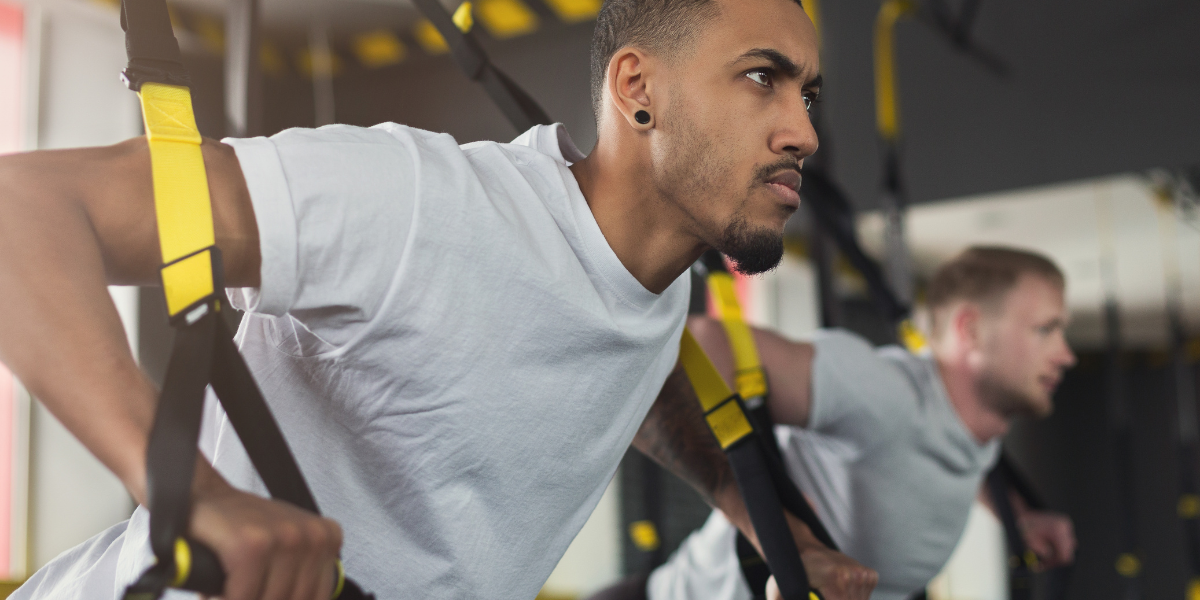
Alongside wearable tech, hybrid training programs that combine strength, endurance, and mobility are becoming a dominant approach. Gyms and fitness platforms are increasingly promoting functional fitness routines that mirror real-life movement patterns. This trend reflects a broader shift away from isolated muscle training toward holistic performance. Programs incorporating elements of high-intensity interval training (HIIT), resistance training, and mobility work are now widely recommended by coaches and trainers.
Health experts emphasize that this integrated approach is particularly effective for long-term sustainability. According to guidance from the American College of Sports Medicine, combining cardiovascular exercise, strength training, and flexibility improves overall health outcomes, including heart health, muscular strength, and injury prevention. These recommendations align with the routines many men are now adopting, whether in gyms, at home, or outdoors.
Another key development is the increasing focus on recovery as an essential component of fitness. Recovery tools such as massage guns, compression gear, and cold therapy systems are becoming standard in many routines. Brands like Therabody, known for its percussion therapy devices, have seen growing demand as users recognize the importance of muscle recovery and injury prevention. Sleep optimization, hydration, and stress management are also being integrated into fitness plans, reflecting a more comprehensive understanding of health.
The rise of home gym setups continues to influence consumer behavior as well. Adjustable dumbbells, compact racks, and connected fitness equipment are increasingly popular among men seeking convenience without sacrificing quality. Retail data indicates that consumers are prioritizing durable, multi-functional gear that supports a variety of workouts. This trend has also influenced the shopping landscape, with more brands offering direct-to-consumer models and personalized recommendations.
In the sports world, performance training methods used by professional athletes are becoming more accessible to everyday individuals. Strength and conditioning programs inspired by elite teams are now widely available through digital platforms. Athletes in leagues such as the NBA and NFL have long relied on data-driven training and recovery strategies, and these methods are increasingly being adapted for general fitness audiences.
Nutrition also remains a cornerstone of the evolving fitness culture. While trends come and go, experts consistently emphasize balanced diets that support energy levels and muscle recovery. Whole foods, adequate protein intake, and hydration are key components of most recommended plans. Importantly, health authorities continue to stress the importance of evidence-based approaches over fad diets or unverified supplements.
The broader cultural impact of this fitness boom is evident in men’s lifestyle and fashion as well. Performance apparel has become a staple in everyday wardrobes, blending functionality with style. Athletic wear brands are designing clothing that transitions seamlessly from workouts to casual settings, reflecting a shift toward versatile, comfort-driven fashion. This crossover between fitness and lifestyle underscores how health and performance are increasingly central to modern identity.
For readers, the key takeaway is that fitness in 2026 is no longer limited to the gym. It is a comprehensive lifestyle that integrates technology, training, recovery, and nutrition. The accessibility of tools and information allows individuals to take greater control of their health, regardless of experience level.
As this trend continues, experts expect further innovation in wearable technology, training methodologies, and recovery solutions. For men looking to improve their health, the current landscape offers more options than ever, making it easier to build sustainable routines that support both physical performance and overall well-being.