Smart Fitness Gear Demand Surges in 2026 as Wearables Become Everyday Essentials
One of the most relevant lifestyle trends in the United States this week is the continued rise of smart fitness gear, led by strong consumer demand for wearable technology. From GPS running watches to sleep trackers and advanced health-monitoring devices, connected fitness products are becoming a core part of everyday routines for men focused on health, performance, and convenience.
The trend received fresh attention after Garmin, one of the biggest names in fitness wearables, issued an upbeat 2026 outlook earlier this year, citing strong sales momentum across its smartwatch and fitness device categories. The company reported that revenue from its fitness segment rose sharply, helped by demand for recently launched products including new smartwatch models. Garmin also projected full-year revenue above analyst expectations, signaling confidence that consumers continue to spend on wellness-focused technology.
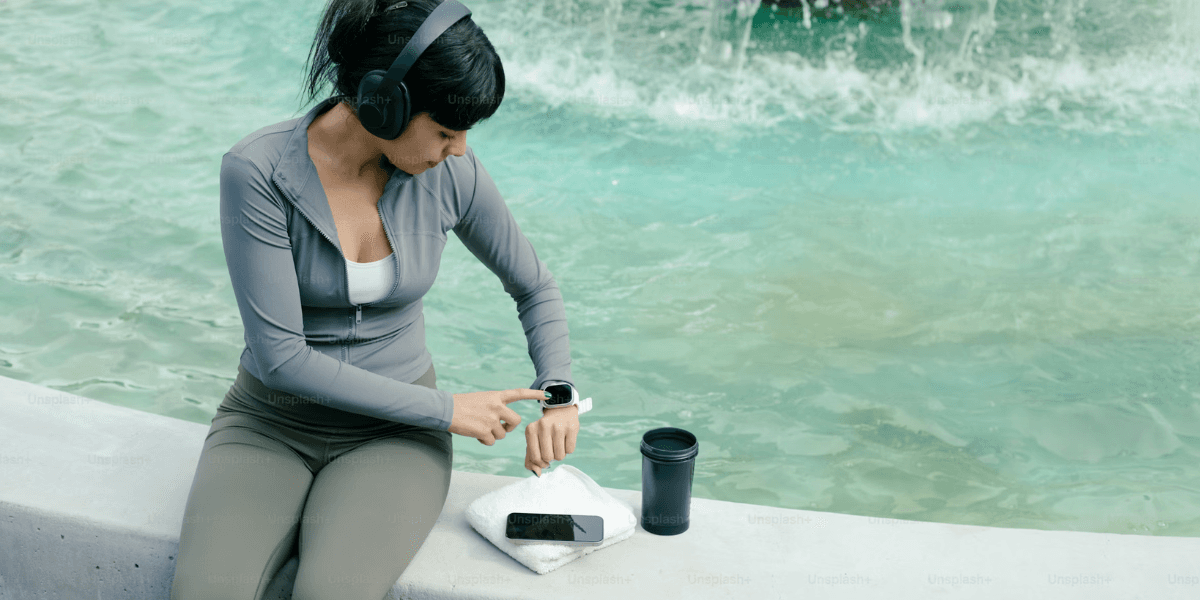
That optimism reflects a broader shift in how Americans approach fitness. Instead of relying only on gym memberships or occasional workouts, many consumers now use wearable devices to track steps, heart rate, recovery scores, sleep quality, calories burned, and training progress. These tools give users real-time data that can help guide healthier decisions throughout the day.
For many men balancing work, family, and fitness goals, convenience is a major factor. A smartwatch that tracks workouts, sends notifications, and monitors recovery can simplify routines without adding extra effort. Whether someone is training for a race, improving sleep habits, or simply staying active, wearables offer measurable feedback that traditional fitness methods often lacked.
Industry research also points to technology’s growing role in exercise habits. The American College of Sports Medicine listed wearable technology among leading global fitness trends for 2026, alongside mobile exercise apps and personalized coaching tools. The organization’s annual survey is widely followed across the health and fitness industry and helps identify where consumer behavior is heading.
This year’s strongest demand categories include:
- Smartwatches for Training and Recovery
Modern fitness watches now combine GPS tracking, heart-rate monitoring, sleep scoring, and guided workouts in one device. Many users are upgrading from older models to gain better battery life and more accurate sensors. - Sleep and Recovery Devices
Recovery has become a larger part of mainstream fitness culture. Consumers are increasingly interested in data around sleep duration, resting heart rate, and stress levels. - Home Training Equipment with Connected Features
From smart rowers to app-linked treadmills, equipment that syncs with training platforms remains popular for people who prefer flexible home workouts. - Multi-Sport and Outdoor Gear
Running, hiking, cycling, and golf devices are seeing steady attention as more people combine exercise with outdoor recreation.
The U.S. regulatory environment has also moved toward encouraging innovation in wellness devices. Earlier this year, the Food and Drug Administration said it would limit regulation of certain health and fitness wearables designed to support healthy lifestyles, helping clarify how these products are treated when they are not marketed as medical devices. Analysts said the move could make it easier for companies to continue developing consumer wellness tools.
Price remains an important factor, but consumers appear increasingly willing to invest in devices they use daily. Unlike one-time purchases that collect dust, wearables often become part of morning runs, workdays, travel, and sleep routines. That makes them feel more practical than trend-driven gadgets.
For men looking to upgrade gear in 2026, experts recommend focusing on actual needs rather than feature overload. Runners may prioritize GPS accuracy and battery life. Lifters may care more about heart-rate zones and recovery tracking. Busy professionals may value stress monitoring and calendar integration. Choosing based on lifestyle usually leads to better long-term use than chasing the most expensive option.
Another notable trend is fashion. Fitness watches are no longer limited to sporty rubber designs. Many now offer slimmer profiles, interchangeable bands, and cleaner styling that can move from gym sessions to office settings. That crossover appeal has helped wearables become both performance tools and everyday accessories.
The key takeaway is clear: smart fitness gear is no longer niche technology. It has entered the mainstream as practical equipment for healthier living. As brands continue improving battery life, sensors, coaching tools, and style, 2026 is shaping up to be another strong year for connected wellness products.
For readers focused on performance, efficiency, and everyday self-improvement, wearable technology may be one of the most useful gear upgrades available right now.

Men's Reporter Contributor
This article features partner, contributor, or branded content from a third party. Members of the Men's Reporter editorial staff were not involved in the creation of this content. All views and opinions are those of the contributor alone.