NASA Opens Astronaut Recruitment for Its Next Moon Mission
NASA has opened astronaut recruitment, seeking skilled Americans to support lunar exploration, establish a Moon base, and prepare for future Mars missions.
For many people, traveling to the Moon remains a childhood dream. For a select group of qualified professionals, that ambition could become a career opportunity. On November 8, 2026, NASA's latest astronaut recruitment announcement drew attention across the United States, highlighting the agency's plans to prepare a new generation of explorers for future missions beyond Earth.
The announcement followed NASA's November 7 confirmation that applications were open for its next astronaut candidate class. The recruitment drive comes as the agency advances its Artemis program, develops plans for a sustained human presence on the Moon, and prepares for eventual crewed missions to Mars. The selected candidates could help shape an important period in American space exploration.
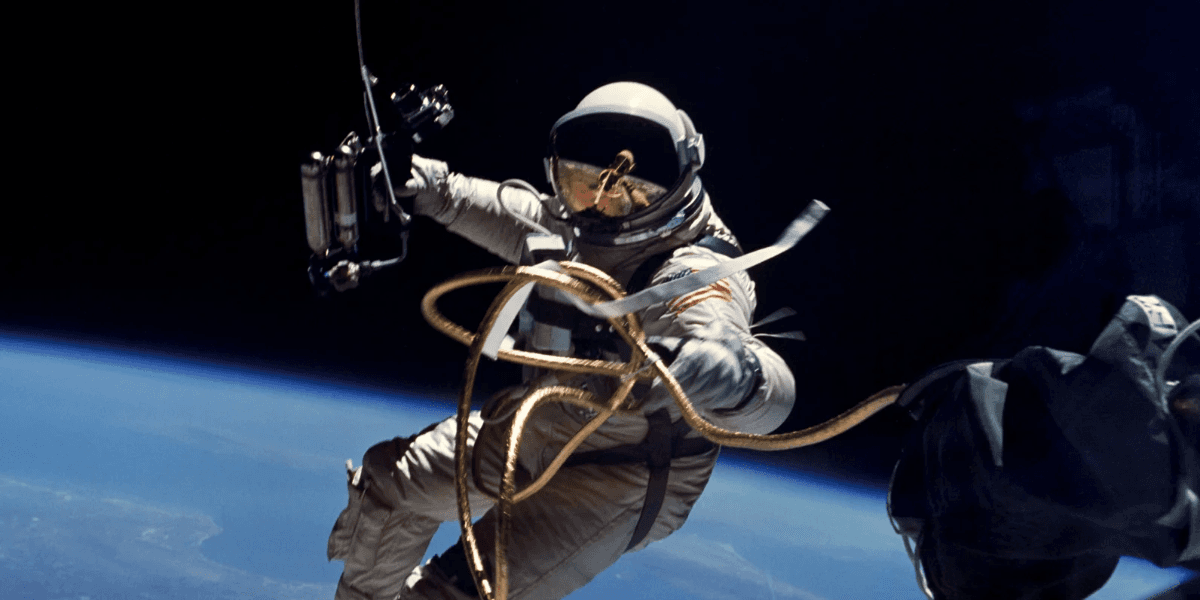
According to NASA, the next astronaut class will train for demanding assignments involving spacecraft operations, lunar surface activities, spacewalking, and scientific research. Their responsibilities could extend beyond traditional spaceflight, with future missions potentially requiring astronauts to live and work on the lunar surface.
What NASA's New Astronaut Recruitment Means
NASA's latest recruitment effort reflects a broader change in the direction of human spaceflight. Rather than focusing exclusively on short visits to space, the agency is working toward longer missions and a more sustainable presence beyond Earth.
The Artemis program is central to this ambition. NASA intends to return astronauts to the Moon, explore areas near its South Pole, and develop the infrastructure needed to support future lunar operations. These efforts are also expected to provide valuable experience for eventual human exploration of Mars.
The new astronaut candidates will join a demanding training program designed to prepare them for these responsibilities. NASA says training will cover essential astronaut skills, including spacewalking, operating spacecraft systems, working with robotic equipment, and understanding the conditions astronauts may encounter during extended missions.
NASA currently has 32 active astronauts. Since the agency began selecting astronaut candidates in the 1960s, it has chosen 370 people for training. These figures illustrate how selective and specialized the profession remains.
Who Can Apply for the Astronaut Program?
Although the opportunity may attract interest from people across different professional backgrounds, NASA maintains strict qualification standards.
Applicants must be United States citizens and hold a qualifying advanced degree in a science, technology, engineering, or mathematics field. Relevant disciplines include engineering, biological science, physical science, computer science, and mathematics.
Candidates must also demonstrate at least three years of related professional experience after completing their qualifying degree. However, NASA recognizes alternative qualifications for certain professional groups.
Experienced pilots may satisfy the experience requirement through specific flight hour qualifications. Medical professionals can also qualify through recognized medical degrees and relevant training. NASA has additionally expanded its educational criteria to recognize qualifying advanced nursing degrees, including Doctor of Nursing Practice qualifications.
Beyond academic and professional credentials, applicants must demonstrate leadership, teamwork, and communication skills. They must also pass NASA's long duration astronaut flight physical.
These requirements reflect the realities of working in space. Astronauts must make decisions under pressure, communicate effectively with colleagues, and adapt to environments where preparation and cooperation are essential.
The Selection Process Remains Highly Competitive
NASA's previous recruitment cycle provides a useful picture of the competition.
The agency received more than 8,000 applications for its previous astronaut candidate class. Only 10 applicants were selected in 2025.
The upcoming selection process is expected to follow a similarly rigorous approach. NASA will review applications, assess professional qualifications, and invite a smaller group of candidates to interviews and additional evaluations at the Johnson Space Center in Houston, Texas.
Those who successfully complete the selection process will enter approximately two years of initial astronaut training. This preparation includes learning spacecraft operations, practicing spacewalk procedures, operating robotic systems, and developing the physical and technical skills required for missions.
Importantly, selection does not guarantee an immediate trip into space. Astronaut candidates must complete extensive training before becoming eligible for flight assignments. Their eventual responsibilities will depend on mission requirements and operational readiness.
Why the Announcement Matters Beyond Space Exploration
NASA's recruitment announcement is significant because it highlights the growing range of professional skills needed for modern space exploration.
Astronauts are no longer defined solely by their ability to pilot spacecraft or conduct experiments in orbit. Future missions will require professionals who understand engineering, medicine, science, technology, and complex operational systems.
This broader approach also highlights the importance of education and professional development. Engineers, medical professionals, researchers, and experienced pilots can all contribute to the future of human spaceflight through their specialized knowledge.
For readers interested in fitness and personal development, astronaut preparation also offers an interesting example of disciplined performance. The selection process places importance on physical capability, sound judgment, teamwork, and the ability to maintain performance in challenging conditions.
However, the opportunity is not limited to astronaut candidates. NASA's broader exploration programs also depend on engineers, technicians, scientists, software specialists, and support personnel working on the ground.
What Happens Next?
NASA opened applications on November 7, with the submission deadline set for 11:59 p.m. Eastern Time on December 3, 2026.
According to the agency's published selection timeline, application reviews are scheduled between December 2026 and April 2027. Initial interviews are expected during spring 2027, followed by final assessments in summer.
NASA expects to announce its next astronaut candidate class in fall 2027. Successful candidates are scheduled to report to the Johnson Space Center during winter 2027 or early 2028.
The schedule remains subject to change depending on application volume and the agency's selection requirements.
The recruitment drive represents more than another round of government hiring. It is an investment in the people who may help establish a lasting human presence beyond Earth.
For Americans with the necessary education, experience, and commitment, the opportunity offers a chance to contribute to one of the most ambitious scientific endeavors of the coming decades.
Readers can explore the qualifications, selection process, and application details through NASA.gov.

Men's Reporter Contributor
This article features partner, contributor, or branded content from a third party. Members of the Men's Reporter editorial staff were not involved in the creation of this content. All views and opinions are those of the contributor alone.