Fitness technology is becoming an increasingly important part of how men approach exercise, recovery, and everyday health. In 2026, smart fitness equipment, wearable devices, and performance-focused gear continue to influence how athletes, gym enthusiasts, and casual users track progress and improve their routines.
The latest generation of fitness gear is moving beyond simple step counting. Modern devices now focus on providing deeper insights into training habits, sleep patterns, workout intensity, and overall activity levels. For men looking to build sustainable fitness routines, technology is becoming less about short-term motivation and more about creating consistent habits.
Wearable Technology Becomes a Daily Training Companion
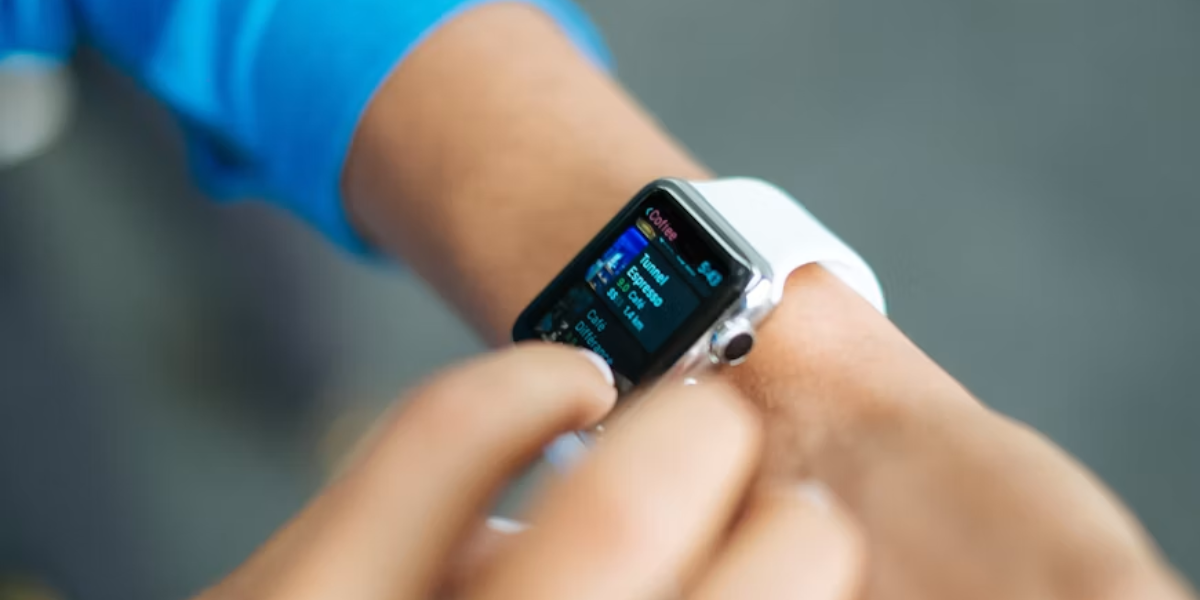
Wearable fitness devices remain one of the most visible categories in men’s health and fitness gear. Smartwatches, fitness trackers, and connected training devices are increasingly used to monitor workouts, measure activity levels, and help users better understand their routines.
For many users, the appeal comes from convenience. A wearable device can provide information during a workout without requiring additional equipment or interrupting training sessions. Runners can monitor performance metrics, gym users can track exercise consistency, and outdoor enthusiasts can use navigation and activity features during adventures.
The continued popularity of wearable technology reflects a broader shift toward data-informed fitness. Instead of relying only on appearance or performance in individual workouts, many users are paying more attention to long-term trends and personal improvement.
Strength Training Gear Expands Beyond Traditional Equipment
Strength training remains a major part of men’s fitness culture, and equipment manufacturers continue developing products designed for both home and outdoor workouts.
Portable strength equipment, adjustable training tools, and compact workout accessories are gaining attention among people who want flexible exercise options. These products appeal to users who prefer training at home, traveling frequently, or combining gym sessions with outdoor activities.
The popularity of versatile equipment also reflects changing lifestyles. Many men are looking for gear that fits into busy schedules rather than requiring a complete commitment to a traditional gym environment.
Outdoor Fitness and Adventure Gear Continue to Grow
Outdoor activities such as hiking, trail running, cycling, and endurance training remain closely connected with men’s lifestyle trends. As more people combine fitness with recreation, demand has increased for durable equipment designed for different environments.
Performance-focused outdoor gear includes technical clothing, hydration systems, training accessories, and footwear designed for comfort and reliability. These products are increasingly viewed as lifestyle investments rather than specialized equipment used only by professional athletes.
The growth of outdoor fitness also reflects a broader interest in combining physical activity with experiences. Many men are choosing activities that provide both exercise and opportunities to spend time outside, explore new environments, and develop practical skills.
Recovery Technology Gains More Attention
Recovery has become a central part of modern fitness culture. Many athletes and fitness enthusiasts now view rest, mobility, and injury prevention as essential parts of training rather than secondary concerns.
Recovery-focused products include mobility tools, massage devices, compression equipment, and sleep-related technology. These tools are designed to support post-workout routines and help users maintain consistency over time.
The increased focus on recovery also reflects a more balanced approach to fitness. Instead of measuring success only through intensity, many users are paying greater attention to overall wellness and sustainable progress.
Men’s Lifestyle Brands Blend Performance and Style
Fitness gear is also becoming more connected to everyday fashion. Many consumers now expect workout clothing and equipment to transition easily between exercise, travel, and casual settings.
This trend has influenced the growth of athletic apparel that combines technical materials with modern designs. Men’s lifestyle trends increasingly highlight the connection between fitness, fashion, and personal identity, with style choices reflecting comfort, versatility, and performance.
The result is a market where gym gear is no longer limited to workout spaces. Sneakers, training apparel, and accessories have become part of everyday wardrobes, reflecting a broader cultural shift toward active lifestyles.
Key Takeaways for Men Following Fitness Trends
The current fitness gear landscape shows several important developments:
- Technology is becoming part of everyday training. Wearables and connected devices help users better understand their habits and performance.
- Versatility is a major priority. Consumers are choosing equipment that works across different environments and routines.
- Recovery is becoming essential. Fitness enthusiasts are placing more value on long-term performance and sustainable progress.
- Style and performance are increasingly connected. Modern fitness gear is designed to support both activity and everyday lifestyle needs.
As fitness culture continues evolving in 2026, the most influential gear trends are focused on practicality, performance, and personalization. For men who want to improve their routines, the latest equipment is increasingly designed not just for workouts, but for supporting a complete active lifestyle.